





The business world today is highly concerned about the papers they use because it has substantial environmental effects. Businesses are moving towards paper materials that achieve both cost savings and environmental protection.
Now, the question is which paper performs better for daily operations? This is because recycled printer paper and white printer paper both are producing fine results for users.
Recycled paper is generating great demand in the market because it provides environmental advantages. The traditional white printer paper uses the industry standard due to its bright appearance and smooth surface.
The two options present distinct characteristics which assist businesses in making beneficial and sustainable selections. So what’s good for you?
In this blog, we will discuss recycled printer paper vs white printer paper that will help you to choose the best.
What Is Recycled Printer Paper?
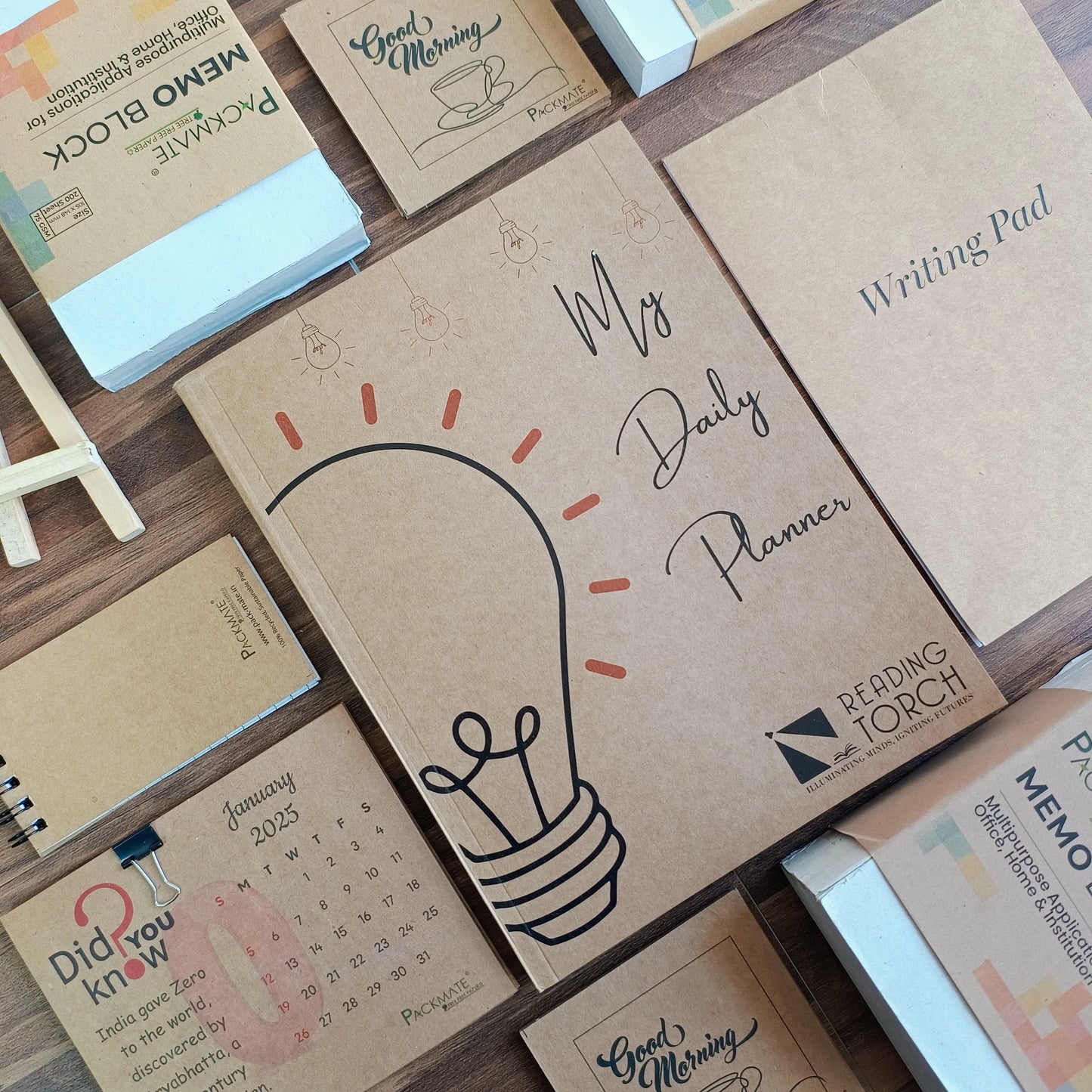
Recycled printer paper is created from post-consumer and post-industrial waste which includes used paper that gets processed into new sheets. Modern recycled paper undergoes advanced cleaning and de-inking processes which make it suitable for office printing. It is developed to minimize environmental damage while providing sufficient printing performance and product longevity.
What Is White Printer Paper?
The white printer paper known as virgin paper consists of unprocessed wood pulp. manufacturers produce it without using recycled materials. It displays a bright white color and a smooth surface which produces high-quality results. They suit professional documents, presentations and high-resolution printing needs. This type of paper has served as the standard office document. It delivers reliable results throughout its entire lifespan.
Key Differences Between Recycled and White Printer Paper
Recycled and white printer paper display different characteristics despite identical functions.
The following section shows their comparison results:
1. Print Quality
The white printer paper creates sharper text which displays more vibrant images. Its surface remains smooth and its texture maintains consistent uniformity. The current recycled papers provide slightly less brightness than their original state because modern versions still maintain adequate clarity needed for creating standard documents which include reports and internal printing.
2. Brightness and Appearance
The brightness level of white paper exceeds other papers, which results in a more professional appearance for documents. Recycled paper has a duller appearance because it contains off-white tones, which makes the paper unsuitable for client-facing situations although it serves its intended purpose.
3. Environmental Impact
Recycled paper helps to decrease tree cutting requirements while it lowers energy use and reduces landfill waste. The production of white paper requires more natural resources which results in higher environmental harm.
4. Cost Comparison
Recycled paper used to cost more but its current prices have reached competitive levels. The bulk buying of both papers typically results in similar pricing, although premium white paper tends to have higher costs.
5. Durability and Usage
White paper provides better durability than other materials, which makes it less likely to experience printer tearing and jamming issues. Recycled paper works effectively with most modern printers, but its lower-quality variants will create minor problems without proper processing.
Pros and Cons of Recycled Printer Paper
The practice of using recycled paper provides an environmentally friendly option which requires several compromises.
Here are the pros and cons of recycled printer paper.
Pros
- Decreases environmental damage while it enables businesses to become environmentally friendly.
- Enables companies to achieve their environmental sustainability targets.
- Functions effectively for all office printing needs which include internal documentation.
- Helps companies establish itself as an eco-friendly enterprise through its sustainable business practices.
Cons:
- Recycled printing paper has a slight decrease in brightness which affects its overall visual appeal.
- It does not meet the requirements for producing high-quality presentations.
- The paper quality shows variation according to which manufacturer produces it.
Pros and Cons of White Paper
People choose white paper because it delivers both premium quality and consistent performance.
Here are the pros and cons of white paper:
Pros
- Documents achieve professional appearance through the system's high brightness capacity.
- Produces outstanding print results because of its smooth surface.
- Delivers dependable results which produce few printing problems.
- Functions effectively for all client-facing and official documentation needs.
Cons
- White paper creates greater environmental damage because it requires fresh wood as raw material.
- It leads to deforestation which results in resource depletion.
-
The paper does not meet sustainability objectives.
Which Paper Is Better for Daily Office Printing?
The best paper for daily office use depends on your specific needs.
- Recycled paper serves as the ideal paper for all internal printing needs.
- The best choice for presentations and reports is white paper.
- Recycled paper supports sustainability goals.
- White paper provides superior visual appearance.
- Both types of paper operate effectively with modern printing equipment.
- The bulk purchase cost difference between the two options remains minimal.
- The mixed approach represents the most effective solution for many situations.
Why Are More Offices Switching to Recycled Paper?
The growing environmental awareness among people has prompted many organizations to use recycled paper.
Here are the reasons why are more offices switching to recycled paper:
- Helps organizations decrease their greenhouse gas emissions.
- Enables organizations to achieve their sustainability targets.
- Enhances the public image of the brand.
- Enables organizations to achieve their environmental, social, and governance objectives.
- Decreases the need for extracting natural resources.
- Factors to Consider Before Choosing Printer Paper:
Multiple elements need to be assessed before the appropriate paper selection can begin.
Here are the factors to consider before choosing printer paper:
- Usage Consideration: Your printing purpose needs to be determined between internal and external usage.
- Quality: The required printing needs to achieve specific quality standards and brightness levels.
- Budget: Keep a budget that is needed for available paper options for bulk purchasing.
- Compatibility: The printer needs to show compatibility with the selected printer paper.
- Sustainability: Think about your environmental objectives to choose paper usage requirements.
-
Size: Note the specific thickness requirements and durability specifications.
Conclusion:
The choice between recycled printer paper and white printer paper is no longer just about print quality, it is about balancing performance with responsibility. Recycled paper now satisfies daily office printing requirements despite white paper demonstrating better brightness and superior finishing capabilities.
The primary paper selection for environmentally conscious businesses has shifted towards recycled paper. The organization needs to use a strategic method that combines both paper types through recycled paper usage for internal work and white paper usage for official documentation. It can reach its quality goals while protecting the environment through this approach.
Partnering with brands like Packmate can help organisations achieve their quality objectives while supporting environmental sustainability altogether.
