





Running a restaurant, café or cloud kitchen involves much more than preparing good food. Every day, teams also need to manage hygiene, packaging, cleaning, takeaway orders, billing and customer service. Paper and tissue products may seem like small supplies, but they play an important role in almost every one of these activities.
A café may need tissues for tables and takeaway orders, while a cloud kitchen may use significantly more food wrapping paper and kitchen towels. A full-service restaurant also needs supplies for dining tables, washrooms, billing counters and kitchen operations.
Choosing the right products can help a food business maintain hygiene, improve presentation, reduce waste and control recurring expenses.
This guide provides a practical paper and tissue checklist for restaurants, cafés, bakeries, takeaway businesses and cloud kitchens.
Why Paper and Tissue Supplies Matter in Food Businesses
Choosing them only on the basis of price can sometimes result in higher consumption. For example, a thin, poorly absorbent kitchen towel may require several sheets to clean one spill, while an unsuitable wrapping sheet may become greasy or tear during delivery.
The right supplies can support:
- Better kitchen hygiene
- Cleaner food presentation
- Faster food preparation and packing
- Better takeaway experiences
- Reduced unnecessary consumption
- Easier stock management
- More professional customer service
The exact requirements will vary depending on whether your business primarily serves dine-in customers, takeaway orders or online deliveries.
1. Table Napkins
Table napkins are one of the most commonly used tissue products in restaurants, cafés, food courts and casual dining outlets.
They are useful for:
- Dine-in tables
- Takeaway orders
- Café counters
- Food trays
- Events and catering
- Quick-service restaurants
When choosing napkins, don't look only at the number of pieces in a pack. Consider their size, softness, thickness and absorbency.
A compact café serving beverages and light snacks may need fewer napkins per customer than a restaurant serving burgers, curries or other foods that are more likely to require frequent hand cleaning.
Restaurants should also avoid automatically placing excessive quantities of napkins with every order. Standardising the number based on the type of meal can significantly reduce waste.
2. Kitchen Tissue and Paper Towels
Kitchen tissue is an important behind-the-scenes product.
Restaurant staff regularly deal with oil, moisture, food preparation surfaces and accidental spills. Kitchen paper towels can be useful for everyday tasks such as:
- Wiping small spills
- Absorbing moisture
- Cleaning preparation surfaces
- Removing excess oil where appropriate
- Drying selected equipment or utensils
- General kitchen maintenance
For commercial kitchens, absorbency and wet strength are usually more important than appearance.
If a tissue tears immediately when wet, staff may end up using multiple sheets for a simple task. Therefore, cost should ideally be evaluated based on how effectively each sheet performs rather than only on pack price.
Pack-Mate currently offers recycled-paper kitchen tissue alongside other paper products, giving restaurants and commercial kitchens another option when planning their recurring paper requirements.
3. Food Wrapping Paper
Food wrapping paper is particularly important for takeaway businesses and cloud kitchens.
It may be used for items such as:
- Burgers
- Sandwiches
- Rolls and wraps
- Rotis and parathas
- Fried snacks
- Bakery products
- Fast food
- Selected takeaway meals
For oily or moist food, businesses should consider grease-resistant food wrapping paper designed for food-contact applications.
Ordinary stationery paper should never be treated as a substitute for paper specifically intended for food packaging.
The wrapping material should be selected based on:
- Type of food
- Oil or grease content
- Moisture
- Serving temperature
- Delivery duration
- Required sheet or roll size
- Folding and wrapping convenience
Pack-Mate's food wrapping range includes greaseproof wrapping paper and roti wrapping paper intended for uses such as rotis, parathas, sandwiches, burgers and other food items. The company also offers bulk purchasing options for restaurants, cafés and cloud kitchens.
4. Baking Paper
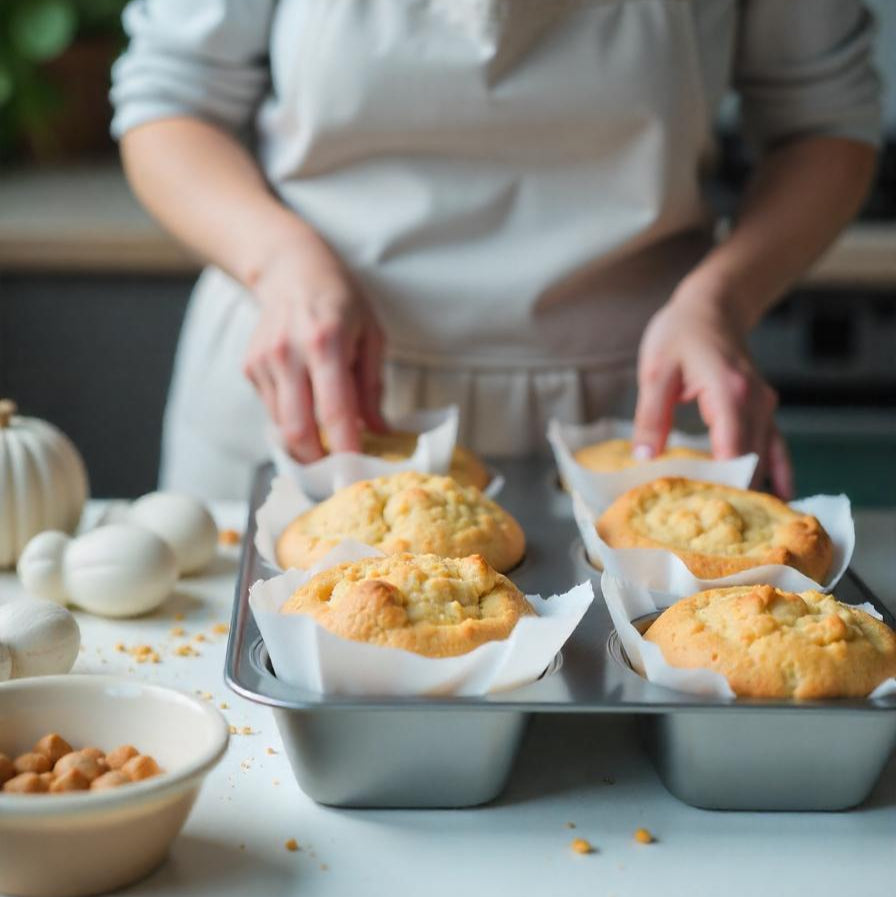
For cafés, bakeries and restaurants that bake in-house, baking paper can be another regular requirement.
Depending on the product specification and intended application, baking paper may be useful when preparing:
- Cookies
- Breads
- Pastries
- Cakes
- Baked snacks
- Selected oven-based dishes
It can simplify tray preparation and help reduce sticking.
Restaurants should always check whether the specific paper they are buying is suitable for the intended temperature and cooking method rather than assuming that every type of wrapping paper can also be used for baking.
Pack-Mate also lists baking paper sheets within its kitchen-related paper range.
5. Facial Tissue
Facial tissues are more customer-facing than kitchen tissues.
They may be useful in:
- Café seating areas
- Premium restaurant tables
- Reception or waiting areas
- Staff spaces
- Billing counters
- Customer washrooms
Here, softness and presentation generally matter more than heavy-duty absorbency.
A well-placed tissue box can also improve convenience without requiring large stacks of loose tissues to be placed around the outlet.
Pack-Mate offers tissue boxes in addition to its kitchen tissue range, allowing businesses to source different tissue formats based on where they will actually be used.
6. Toilet Tissue and Washroom Supplies
If your café or restaurant has a customer washroom, toilet paper needs to be included in the regular procurement schedule.
When purchasing toilet tissue, businesses should consider:
- Number of customer washrooms
- Average daily footfall
- Roll size
- Number of plies
- Dispenser compatibility
- Restocking frequency
- Storage space
Running out of washroom essentials can affect the overall customer experience even when the food and service are excellent.
Pack-Mate's catalogue currently includes 2-ply toilet paper rolls, alongside other tissue and commercial paper products.
7. Disposable Plates and Tableware
Restaurants do not necessarily need disposable tableware for every order, but it can be important for:
- Takeaway orders
- Food courts
- Office catering
- Outdoor events
- Large gatherings
- Cloud kitchens
- Parties and corporate food service
Before buying disposable plates or bowls, consider:
- Portion size
- Food weight
- Whether the food contains gravy
- Number of compartments needed
- Temperature of the food
- Delivery distance
- Disposal requirements
Compartment plates can be particularly helpful where multiple dishes need to remain separated.
Pack-Mate offers a range of disposable tableware, including bagasse compartment plates intended for food-service and catering applications.
8. Paper Bags and Takeaway Packaging
Takeaway presentation is especially important for cafés, bakeries and cloud kitchens because customers may never see the physical outlet.
The outer packaging becomes part of the brand experience.
Depending on the business, a takeaway paper checklist can include:
- Food wrapping sheets
- Napkins
- Carry bags
- Disposable plates or bowls
- Cup sleeves
- Labels
- Order stickers
- Bills or receipts
Businesses should avoid overpacking. More packaging does not automatically mean better packaging.
The goal should be to use enough material to protect the order without adding unnecessary cost or waste.
9. Thermal Paper for Bills and Receipts
Paper requirements in a restaurant are not limited to food and cleaning.
Many cafés and restaurants use POS machines and billing printers, making thermal paper rolls another item that needs regular monitoring.
Running out during peak service can disrupt billing and slow down operations.
Restaurants should check:
- Printer-compatible roll width
- Roll length
- Average bills generated daily
- Number of billing terminals
- Backup stock available
Pack-Mate also lists thermal paper rolls in its current product range, which can make them relevant when building a broader paper procurement list for a restaurant or café.
Paper & Tissue Checklist by Business Type
| Product | Restaurant | Café | Cloud Kitchen | Bakery |
|---|---|---|---|---|
| Table napkins | Essential | Essential | Recommended | Recommended |
| Kitchen tissue | Essential | Essential | Essential | Essential |
| Food wrapping paper | High use | Medium use | High use | High use |
| Facial tissue | Recommended | Recommended | Optional | Recommended |
| Toilet tissue | Essential if washroom available | Essential if washroom available | Depends on facility | Depends on facility |
| Baking paper | Depends on menu | Depends on menu | Depends on menu | Essential |
| Disposable tableware | Depends on service | Useful | Often useful | Useful |
| Takeaway packaging | Essential | Essential | Essential | Essential |
| Thermal billing rolls | Essential where POS is used | Essential where POS is used | Usually required | Usually required |
How to Store Paper and Tissue Supplies Properly
Proper storage is particularly important in kitchens because humidity, heat and grease can affect paper products.
Keep supplies:
- In a clean and dry storage area
- Away from direct contact with the floor
- Away from sinks and wet zones
- Protected from dust
- Away from cooking oil and grease
- Inside their original packaging until required
Food-contact wrapping papers should be kept separately from tissues used for general cleaning.
Businesses can also follow first in, first out (FIFO) stock rotation so older inventory is used before newly purchased stock.
Bulk Buying vs Small Packs: Which Is Better?
High-volume restaurants and cloud kitchens often benefit from bulk purchasing because regularly used supplies are consumed predictably.
Bulk buying may help:
- Reduce repeated ordering
- Maintain consistent stock
- Simplify procurement
- Reduce per-unit costs in some cases
- Standardise products across multiple outlets
Pack-Mate specifically provides bulk purchasing options for food wrapping paper and other commercial paper requirements, including restaurants and cloud kitchens.
Smaller cafés or new food businesses, however, may initially benefit from purchasing modest quantities until they understand their actual monthly consumption.
Always compare cost per sheet, roll or usable unit, rather than comparing only the total pack price.
Complete Restaurant Paper & Tissue Procurement Checklist
Before placing your next supply order, check whether you need:
- Table napkins
- Kitchen tissue rolls
- Facial tissue boxes
- Toilet paper
- Food-grade wrapping paper
- Greaseproof paper
- Roti wrapping paper
- Baking paper
- Disposable plates and bowls
- Paper takeaway supplies
- Billing and thermal paper rolls
- Backup inventory for busy periods
It is also useful to review your checklist every few months as customer volume, menus and delivery channels change.
Choosing a Reliable Paper Supplier for Your Food Business
For restaurants and cloud kitchens, consistency matters just as much as price.
A reliable supplier should provide clear product information, suitable sizes, dependable quality and options that match different areas of the business.
Pack-Mate offers a range of paper-based products that can support restaurant and food-service requirements, including greaseproof food wrapping paper, roti wrap paper, kitchen tissue, tissue boxes, toilet rolls, baking paper, disposable tableware and thermal paper rolls.
For food businesses looking to streamline repeat purchasing, sourcing several commonly used paper categories from the same supplier can also make procurement easier.
Final Thoughts
Paper and tissue products may represent only a small part of a restaurant's overall operating budget, but they influence hygiene, kitchen efficiency, packaging, presentation and customer experience every day.
The best approach is not simply to purchase the cheapest available option. Restaurants, cafés and cloud kitchens should select products according to their actual application, track consumption and avoid unnecessary usage.