





Rotis for the school tiffin, a sandwich for the office, samosas for a party order, a cake for a birthday: almost everything we pack touches paper at some point. Yet the paper itself is the one thing most of us never question.
As a brand that makes food wrapping and baking papers for Indian kitchens, we hear the same question from home cooks, bakers and restaurant owners alike: what is the best paper for food packaging? The honest answer is that no single paper wins for every food. The right choice depends on what you are packing, how hot or oily it is, how long it needs to stay fresh, and where the packaging ends up after use.
This guide brings everything together in one place: the main types of food packaging paper, how they compare, what Indian food-safety rules say, which paper suits which food and business, and a simple checklist you can use before you buy.
Quick Answer
For everyday and oily foods such as rotis, parathas, sandwiches and fried snacks, certified food-grade greaseproof paper is the best all-round choice. For the oven, use baking or parchment paper. For bakery items and sweets, glassine and butter paper work well. For dry foods and outer packaging, choose food-grade kraft paper. When heat and aroma need to be locked in, use aluminium-laminated paper. Whatever you pick, make sure it is food grade, PFAS-free and never printed on the side that touches food.
Why the Right Food Packaging Paper Matters
Food packaging paper does far more than hold food together. The right sheet protects what is inside, while the wrong one can quietly affect its safety, taste and shelf life.
- Food safety: Paper that is not made for food contact can pass unwanted substances from printing inks, unknown fibres or chemical coatings into food, especially when the food is hot or oily.
- Freshness and texture: Good packaging paper manages moisture and grease, so rotis stay soft, fried snacks stay crisp and baked goods do not turn soggy.
- Hygiene: A clean, purpose-made wrap acts as a barrier against dust and handling between the kitchen and the plate.
- Presentation: For food businesses, a neat, grease-free wrap tells every customer that their food was handled with care.
- Compliance: Food businesses in India are expected to use packaging that meets FSSAI requirements.
-
Sustainability: Paper-based options can replace single-use plastic and cling film in many everyday tasks.
What Makes Paper Safe for Food? Understanding Food-Grade Paper
“Food grade” is not just a label on a pack. In India, the Food Safety and Standards (Packaging) Regulations, 2018 set clear expectations for any paper that comes into contact with food:
- Paper used to make boxes, cartons, plates, cups and lids, or any paper meant to be in direct contact with food, must be food grade and free from contaminants.
- Paper and board used for food containers must conform to the Indian Standards listed in Schedule I of the regulations, such as IS 6622 for greaseproof paper and IS 6615 for general-purpose packing and wrapping paper.
- The printed surface of packaging should not come into direct contact with food.
- Newspapers and similar materials are prohibited for wrapping, covering or serving food, and newspaper should not be used to soak up excess oil from fried items either.
Types of Paper Used for Food Packaging
Here are the most common food packaging papers, what each one does best, and where each one falls short.
1. Greaseproof Paper
Greaseproof paper is made from heavily refined pulp that forms a dense sheet, so oil and fat cannot easily pass through. It is the everyday workhorse of food packaging: thin, flexible, breathable and grease-resistant.
Best for: Rotis, parathas, sandwiches, burgers, wraps, pizza, fried snacks, bakery items and lunch boxes.
Keep in mind: Grease resistance varies widely between products. Look for a stated KIT rating and a PFAS-free test report instead of relying on the word “greaseproof” alone. Our greaseproof food wrapping paper roll is made for exactly these everyday uses.
2. Butter Paper
In Indian kitchens, “butter paper” is often used as a broad name for thin, smooth, translucent papers used in baking and wrapping. Good food-grade butter paper resists moisture and grease and is popular for lining cake tins, separating dough and wrapping sweets.
Best for: Lining cake tins, rolling and separating dough, and wrapping mithai and light bakery items.
Keep in mind: Not every butter paper is meant for high oven heat, so check the pack for an oven-safe claim. Our guide on parchment paper vs butter paper explains the difference in detail.
3,. Parchment Paper and Baking Paper
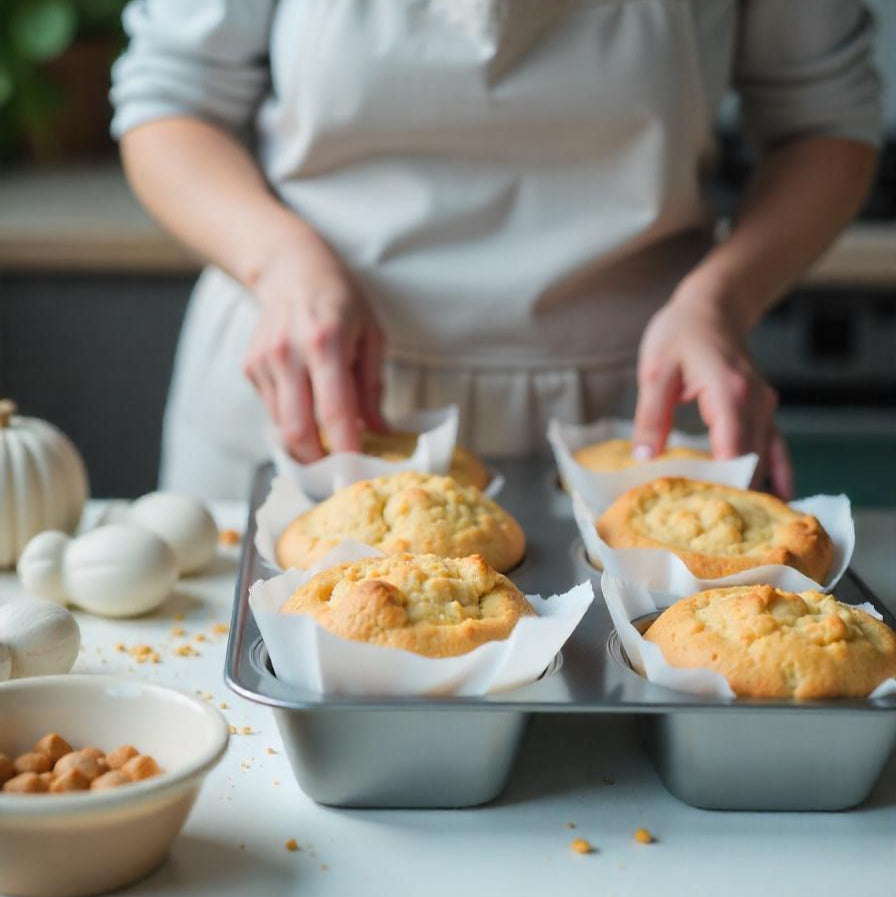
Baking paper, often called parchment paper, is treated to withstand oven heat and release food easily. Many versions carry a silicone coating that gives a reliable non-stick surface.
Best for: Baking cakes, cookies and breads, roasting vegetables, reheating, and lining trays and tins.
Keep in mind: Always stay within the maximum temperature printed on the pack and keep the paper away from open flames and grill elements. For a deeper look at grades and uses, read our baking paper buying guide for food-safe paper, or explore our 40 GSM baking paper sheets.
4. Glassine Paper
Glassine is a smooth, glossy, translucent paper made by supercalendering, which means pressing the paper between heated rollers until it becomes dense and resistant to air, grease and moisture.
Best for: Cookies, cupcakes, chocolates, dry fruits, baked goods and separating layers of food.
Keep in mind: Glassine is not designed for heavy, wet or very hot foods. Learn more about what glassine paper is and how it is used, or see our glassine baking paper.
5. Kraft Paper
Kraft paper is a strong paper made from chemically pulped wood fibres. Its strength makes it ideal for bags, sleeves and outer packaging, and unbleached kraft has a natural brown look that many customers associate with eco-friendly food brands.
Best for: Dry snacks, breads, takeaway bags, carry bags and secondary packaging.
Keep in mind: Plain kraft absorbs oil. For greasy food, use a greaseproof inner wrap or a grease-resistant food-grade kraft, and make sure any kraft used for direct contact is certified food grade.
6. Wax Paper
Wax paper carries a thin wax coating on both sides, which makes it moisture-resistant and non-stick at room temperature and below.
Best for: Wrapping cold sandwiches and cheese, and separating layers of chilled food.
Keep in mind: Wax paper is not suitable for the oven, because the coating can melt and smoke under heat.
7. Poly-Coated Paper and Paperboard
Paper cups, many takeaway boxes and some burger wraps carry a thin plastic (polyethylene) lining that makes them leak-proof.
Best for: Beverages, curries, gravies and very moist foods.
Keep in mind: The plastic layer makes these products harder to recycle and means they are not plastic-free. If sustainability matters to you, look for plastic-free barrier alternatives where they suit the food.
8. Aluminium-Laminated Paper (ALU Paper Wrap)
Aluminium-laminated paper bonds a thin layer of aluminium foil to a paper base. The foil side blocks moisture, oxygen, light and odours, while the paper side adds strength and flexibility.
Best for: Hot rotis and parathas, kebabs, grilled food, tiffins and dishes that need to hold heat and aroma for longer.
Keep in mind: Like anything that contains foil, it should not go into the microwave. Read when to use ALU paper wrap for food, or explore our aluminium paper wrap.
9. Kitchen Tissue and Absorbent Paper
Absorbent kitchen paper is not a wrap, but it plays an important role in Indian kitchens where frying is common. It is the safe replacement for the old habit of draining pakoras, puris and samosas on newspaper.
Best for: Draining fried food, lining serving baskets, and drying washed fruits and vegetables.
Keep in mind: Choose a towel that is soft, strong and made for food contact, such as our eco-friendly kitchen towels.
Food Packaging Paper Comparison at a Glance
| Paper Type | Grease Resistance | Oven Use | Moisture Barrier | Best For |
|---|---|---|---|---|
| Greaseproof paper | High | Only if labelled oven-safe | Moderate | Rotis, sandwiches, fried snacks |
| Butter paper | Moderate to high | Check the pack | Moderate | Cake lining, dough, sweets |
| Baking / parchment paper | High | Yes, within rated limit | Moderate | Baking, roasting, reheating |
| Glassine paper | High | Check the pack | Moderate | Cookies, chocolates, bakery |
| Kraft paper (plain) | Low | No | Low | Dry snacks, bags, outer packs |
| Wax paper | Moderate | No | High (cold use) | Cold sandwiches, cheese |
| Poly-coated board | High | No | High | Beverages, curries, gravies |
| Aluminium-laminated paper | High | Check the pack; never microwave | High | Hot rotis, kebabs, tiffins |
| Kitchen tissue | Absorbs oil by design | No | Absorbent | Draining fried food |
Ratings are general guidance for each paper category. Actual performance varies by brand, grade and GSM, so always check the manufacturer’s specifications.
Best Paper for Food Packaging by Food Type
| Food | Recommended Paper | Why It Works |
|---|---|---|
| Rotis, chapatis and parathas | Greaseproof roti wrap or aluminium-laminated paper | Keeps them soft and warm without turning soggy |
| Sandwiches, burgers and wraps | Greaseproof paper | Holds sauces and oil and folds neatly |
| Samosas, pakoras, vada pav and fried snacks | Greaseproof paper to wrap; kitchen tissue to drain | Stops oil seepage and replaces newspaper |
| Cakes, cookies and pastries | Baking paper, glassine or butter paper | Non-stick release and neat presentation |
| Mithai and sweets | Butter paper or glassine | Separates pieces and resists ghee and syrup |
| Pizza | Greaseproof liner inside the box | Keeps the base crisp and the box clean |
| Breads, namkeen and dry snacks | Glassine or grease-resistant food-grade kraft | Strong, attractive and protective |
| Kebabs, tikkas and grilled food | Aluminium-laminated paper | Locks in heat and aroma |
| Cheese and chilled foods | Wax paper or greaseproof paper | Controls moisture at low temperatures |
| Curries, dals and liquids | Poly-coated or plant-fibre containers, not flat paper | Flat paper wraps are not designed to hold liquids |
Rotis deserve a special mention because they are wrapped in almost every Indian home, every single day. If you have ever wondered what is really inside the paper around your chapatis, our article on whether your roti wrap paper is safe is worth a read. For daily tiffins, a dedicated greaseproof roti wrap roll keeps rotis soft without sticking.
How to Choose the Best Paper for Food Packaging: An 8-Point Checklist
Certified food grade
Ask for proof of food-contact compliance and the Indian Standard the paper meets. Our food wrapping paper safety guide explains materials, certifications and chemical risks in more detail.
PFAS-free grease resistance
Ask whether the grease resistance comes from fluorinated chemicals, and request a third-party lab report.
KIT rating for oily food
The KIT test (TAPPI T559) applies 12 test solutions of increasing strength, and the paper’s rating is the highest-numbered solution it resists without staining. A higher KIT rating means stronger grease resistance.
Heat suitability
Check oven, microwave and hot-food use separately, as one does not guarantee the other.
The right GSM
Lighter papers fold well for wraps, while heavier papers and boards suit liners, bags and boxes. Here is a simple explanation of what GSM means in paper.
Bleached or unbleached
Both can be safe when food grade; the choice depends on your preference for processing, look and brand image.
No ink on the food side
Printed branding belongs on outer packaging, never on the surface that touches food.
End-of-life
Prefer plain paper that is recyclable or biodegradable, and remember that plastic or foil layers change how packaging can be disposed of.
How We Approach Safer Food Packaging Paper
At Packmate, we believe the paper that touches your food deserves the same care as the food itself. That belief shapes every product in our kitchen range:
- Greaseproof food wrapping paper with a stated grease resistance of KIT 7+, available in natural white and unbleached brown.
- Third-party PFAS testing of our greaseproof paper, including PFOA and PFOS, with no PFAS detected. The report is published on our lab test reports page.
- Ready-to-use roti wrap rolls for everyday tiffins and lunch boxes.
- 40 GSM baking paper that has undergone a heat exposure test, along with glassine paper for bakers.
- Aluminium paper wrap for food that needs a stronger barrier against moisture, air and odours.
- Kitchen towels and plant-fibre tableware to complete a safer, plastic-light kitchen.
Our aim is simple: to make it easy for families and food businesses to choose packaging that is safe, practical and kinder to the planet, without compromising on how food looks, tastes or travels.
Final Thoughts
The best paper for food packaging is the one that matches your food: greaseproof paper for everyday oily foods, baking paper for the oven, glassine and butter paper for bakery treats and sweets, kraft paper for dry goods and strong outer packs, and aluminium-laminated paper when heat and aroma matter most. Behind every good choice sits the same set of essentials: certified food grade, PFAS-free and never printed where it touches food.
Whether you pack two tiffins a day or two hundred delivery orders, small packaging choices add up for your family’s health, your customers’ trust and the planet. If wrapping is your main need, our detailed guide on choosing the best food wrapping paper goes a step further. When you are ready to switch, explore the Packmate food wrapping paper range and find the right fit for your kitchen.