




A food wrapping paper roll is actually something we use almost every day. No matter if it’s for packing snacks, wrapping takeaway food, or even storing leftovers. It looks totally simple, but it directly touches your food, mostly when it’s hot or oily. So, that’s why the right paper is much more important than most of us think.
The problem is, many wrapping papers seem the same and come with labels like “food grade” or sometimes “safe”, but don’t always tell the whole story. Some papers may have coatings or even chemicals that aren’t really good for direct contact, especially with heat.
In this guide, we’ll learn in a simple way how to choose a safe wrapper roll for food. Also, we’ll cover different types of paper, which ones are better for daily use, what risks there are exactly to avoid, and whether certifications actually matter. Furthermore, you’ll also get easy tips that can help you make the right choice with confidence.
What is a Food Wrapping Paper Roll and Why Safety Matters
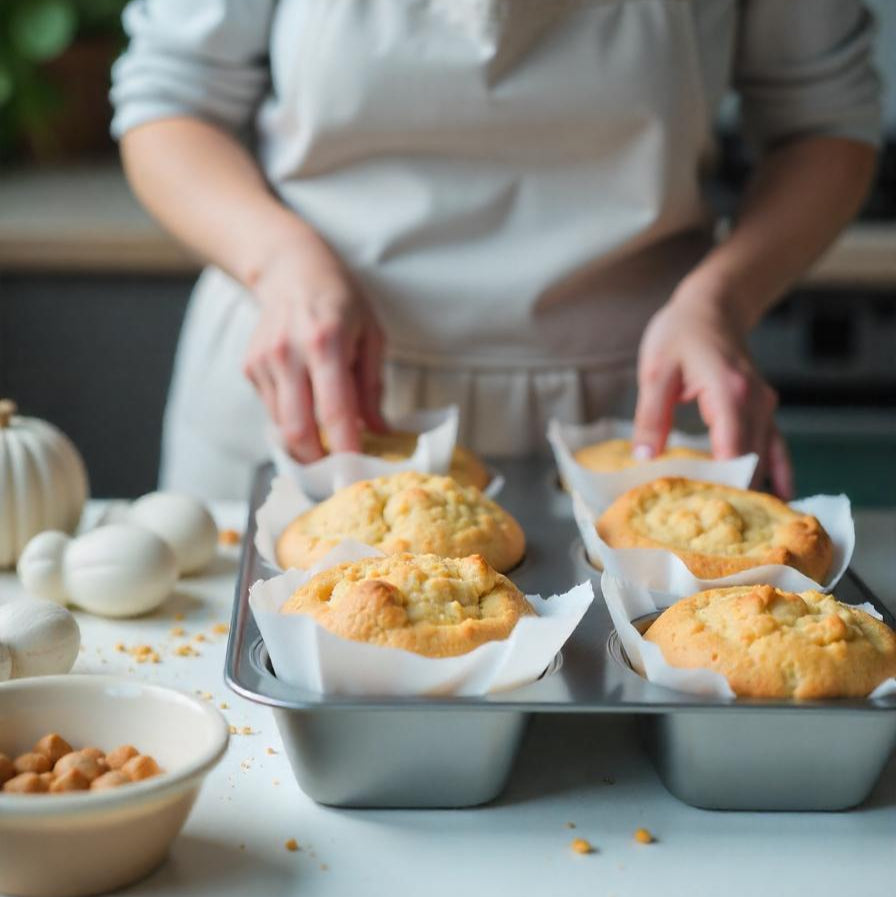
A food wrapping paper roll is a specially made paper that is used to wrap, store, or sometimes serve food and keep it fresh and hygienic. Different from regular paper, it’s precisely designed in order to handle grease, moisture, along with heat. And, this makes it suitable for direct food contact. If we talk about its common types, then it includes butter paper, parchment paper, greaseproof paper, and food-grade craft paper.
It is used in everyday settings such as:
- Homes for packing snacks or storing food.
- Restaurants and cafes for serving fast food and items that are baked.
- Food delivery services for safe and clean packaging.
Since these paper rolls come in direct contact with food, safety is essential. When exposed to heat or oil, poor-quality food can release harmful substances or even affect the quality of the food.
Some key risks include:
- Chemical coatings for resistance of grease.
- Residues from bleaching processes.
- Unsafe inks are used in printed paper
- Misleading “food grade” claims without even proper standards.
Types of Food Wrapping Paper Roll Materials (Explained Simply)
Butter Paper
It’s mainly used for light and everyday wrapping. This paper works well for dry snacks, sandwiches, along with bakery items as it has a smooth surface and mild resistance to moisture. However, it’s not that good for high heat or very oily food, because it can weaken or stick over time.
Parchment Paper
Parchment paper is actually one of the most reliable alternatives in the food-grade paper roll category. It is treated in order to handle both heat and grease, and this makes it safe for baking as well as wrapping hot or even oily food. This paper doesn’t stick easily and maintains its strengths, which makes it a totally versatile and safer choice.
Wax-Coated Paper
Wax-coated paper actually has a thing layer of wax that provides it with a non-toxic, water-resistant surface. It works perfectly for wrapping cold food or storing items in the fridge. However, it shouldn’t be used for hot food, as the wax can melt and then affect the food.
Greaseproof Paper
It’s designed in order to block oil and fat without utilising a wax coating. A good greaseproof paper roll always stays stable even with hot and greasy foods such as burgers or fried snacks. And, this makes it a practical choice for food businesses and takeaway packaging.
Kraft Paper
Kraft paper is generally used for eco-friendly packaging. However, not all types are safe for food. A perfect food-grade paper roll made from kraft is processed to be safe for direct contact. On the other hand, non-food-grade versions may contain harmful residues. This one works best for dry or lightly greasy food. Still, it’s essential to check for proper certification before even using it.
Also Read: Top Benefits of Using Food Wrapping Paper
Hidden Chemical Risks in Food Wrapping Paper Rolls
A food wrapping paper roll can look safe. However, some of the hidden chemicals can really become a concern, especially with heat and oil. Here are the serious risks:
-
PFAS are mostly used in grease resistance, but these “forever chemicals” don’t break down that easily. And, it poses long-term health risks. So, it’s better to choose a PFAS-free alternative when possible.
-
Chlorine bleaching is used to make paper look bright white and can produce harmful byproducts such as dioxins. Here, unblocked or chlorine-free paper can be a safer choice.
-
Artificial coatings and laminations can help with improving performance, but not all are food-safe. When it gets too hot, it may break or negatively react with food.
- Printing inks and dyes on wrapping paper can also be transferred onto food, if they’re not food-grade, especially when the paper is warm or greasy.
Food Safety Certifications You Must Check Before Buying
- FDA compliance (US standard)
- BfR (Germany)
- ISO certifications
- FSC (for sustainable sourcing)
- How to Choose a Safe Food Wrapping Paper Roll (Buyer’s Checklist)
When it comes to buying a food wrapping paper roll, it shouldn’t be based on price or appearance alone. Since it directly touches your food, even a small quality difference has the potential to badly affect safety. Here’s how to choose:
Step 1: Start with touch and smell
Before even anything else, check how the paper feels and smells. A safe paper always should feel clean, not overly waxy or plastic-like, and it should have almost no smell. And, if you feel any strong odor, then it’s a sign of chemical treatment or low-quality processing.
Step 2: Check how it reacts to oil
You can check the paper quality quickly just by observing how exactly the paper handles grease. A good paper will resist oil without even becoming soggy or breaking apart. If oil passes through immediately or weakens the paper, then it’s not perfect for food use.
Step 3: Avoid overly processed or glossy finishes
Shiny or heavily coated paper can look premium. However, they mostly depend on artificial coatings. Unless clearly marked as food safe, these finishes can become unstable when in contact with hot or oily food.
Step 4: Look beyond “food grade” labels
The term “food trade" is mostly used loosely. Rather than trusting it blindly, you should check specific details such as PFAS-free, chlorine-free, or certified safe for direct contact. The more transparent the information, the more trustworthy the product will be.
Step 5: Match the paper to your exact use
Consider whether you’re wrapping hot, cold, dry or even oily food. For example, parchment works better for heat, whereas greaseproof paper is great for oily items. Utilising the right type always reduces both risks and packaging issues.
Step 6: Test before bulk buying
If you’re buying for a business, then don’t ever be dependent on samples alone. You have to check the food with actual food conditions, heat, oil, or even storage. This step can prevent bigger problems later.
Also Read: Is Wrapping Your Food in Aluminum Foil Safe or Risky?
Conclusion
A safe food wrapping paper roll isn’t just about convenience. Over and above that, it’s about safeguarding what people exactly consume every day. Everything from choosing the right material to checking for chemical safety and certifications, each step plays a role in better food handling.
And, ignoring these factors can result in risks that are totally easy to avoid with the right knowledge. For consistent quality and trusted food-safe packaging, Packmate is a smart choice to explore.