




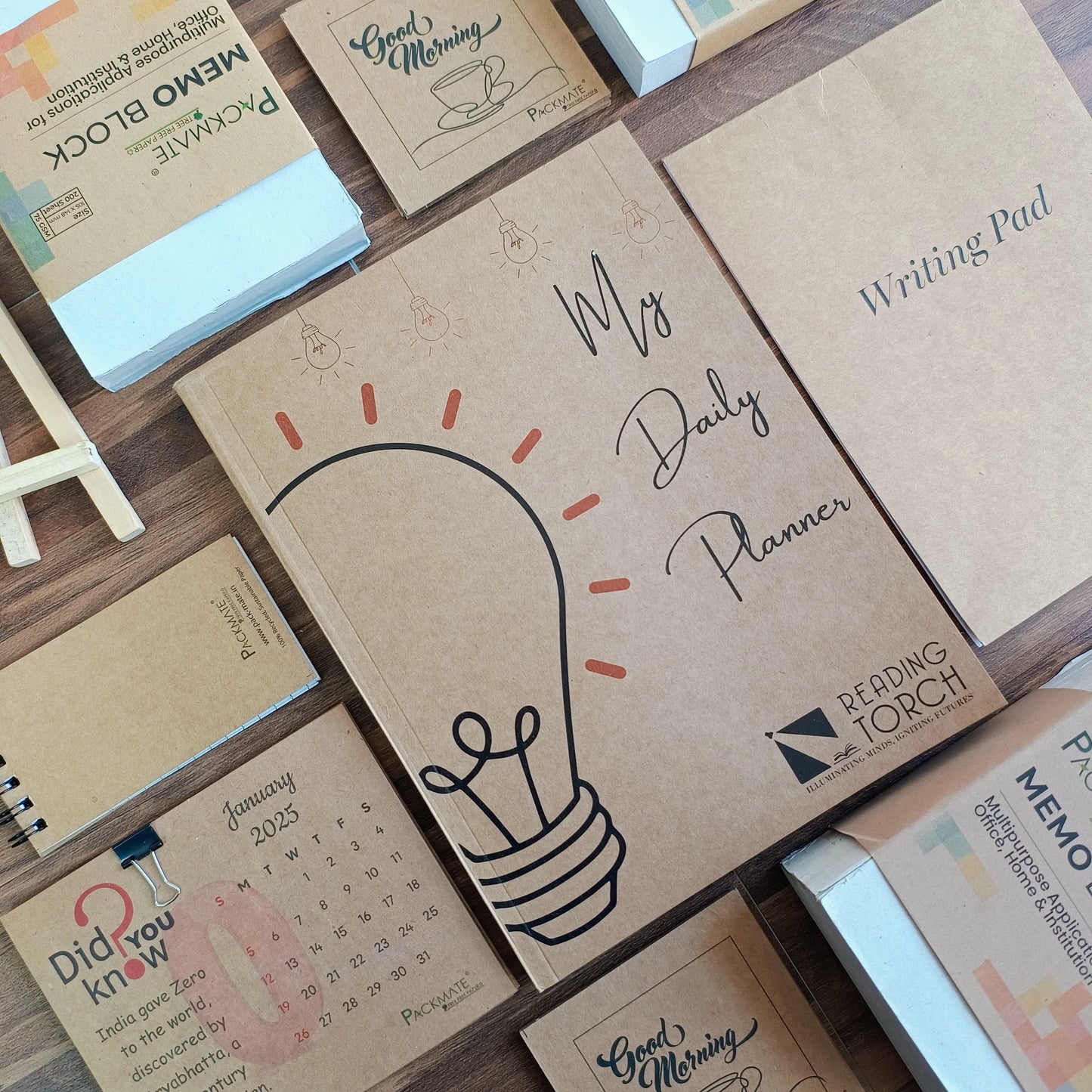


Bond paper is one of the most commonly used paper categories throughout offices, schools & professional places. This paper is known for its long-lasting feature & smooth finish. Bond paper plays a very important role in printing important files, legal papers & regular stationery.
Knowing about the bond paper manufacturing process, every step is designed very carefully to assure strength, clarity & execution. From making raw materials to finishing touches, everything is equally important for a better & smooth bond paper.
In this blog, we will let you know about the manufacturing process of bond paper. It is made in a very simple & easy way, so you can understand it completely & make it a suitable choice for professionals.
What Is Bond Paper and Why It’s Widely Used
Bond paper is a standard-quality, long-lasting writing and printing paper; these papers are generally used in offices, businesses, & legal environments.
In contrast to ordinary paper, bond paper is formulated to provide better strength, smoothness & consistency, making it very suitable for professional use.
One of the main bond papers is very famous because of its long-lasting features. It resists tearing & aging, which is very important for documents that need to be protected for a long time. One more characteristic of bond paper is its very smooth & soft surface, which confirms clean & sharp printing results.
If you are using inkjet or laser printers, bond paper offers high-quality performance.
Common uses of bond paper include printing official documents, contracts, letterheads, resumes & business reports. Its experienced presentation makes bond paper the most preferable choice for & formal works.
Bond Paper Raw Materials: What Goes Into Making It
The quality of bond paper relies mostly on the raw materials that are used in its production. The right combination of fibres & durability & brightness of pulp performance. Understanding this material helps to explain why paper is better as compared to regular paper.
Wood Sources (Hardwood vs Softwood)
Wood is the basic raw material. Hardwood & Softwood are both used for different purposes. Hardwood has short fibers, which help to make a clear & refined surface. Softwood has longer fibres & higher strength, which combine durability to the paper.
A perfect combination of hardwood & softwood assures that bond paper is consistent & long-lasting. This mixture is important in providing standard quality sheets.
Water & its Role in Paper Production
Water is a very important substance in making paper. It supports breaking down wood into pulp & control the process of sheet formation. Pure water is very essential in making paper because impurities may impact the quality of the final paper.
Chemicals and Additives Used
Different types of chemicals are used to enhance the quality of paper:
- Bleaching agents: Enhanced the brightness and whiteness
- Fillers (clay, calcium carbonate): Improve smoothness and opacity
- Sizing agents: Control ink absorption and prevent smudging
These materials, along with several types of paper pulp, assure that the final product is very strong, smooth, soft, and perfect for professional use.
Types of Pulp Used in Bond Paper Manufacturing
The kind of pulp used in making bond paper directly impacts the strength, texture, and quality of bond paper. There are many different kinds of paper pulp used in the paper-making process, each having their own qualities.
Mechanical Pulp
Mechanical pulp is made by crushing the wood. It is quick and cheaper to make and produce but they also have results in weaker paper. This kind is not commonly used for making standard-quality bond paper because it needs toughness.
Chemical Pulp (Kraft Process)
Chemical pulp is produced using chemicals to break down wood. The Kraft process is one of the most common methods. It makes smooth and strong fibers, making it perfect for bond paper. Because of this, most of the bond paper is commonly used for manufacturing processes that rely on chemical pulp.
Semi- chemical Pulp
These types of chemical pulp commonly mix with both mechanical and chemical methods. It provides a balance between cost and strength. While not as strong as chemical pulp, it settles. useful in specific paper products. Bond Paper needs to have strong and smooth
fibers. They also need standard-quality kinds of paper pulp, mainly the chemical pulp, which assures toughness and a professional finish.
Step-by-Step Bond Paper Manufacturing Process
The bond paper manufacturing process
includes many steps that change raw
materials into finished paper.
-
Wood Preparition and chipping:- Wood timber is cut into small chips to make the processing very easy.
-
Pulping Process (Mechanical or chemical) :- The chips are prepared to separate fibers. Chemical pulping is commonly used for bond paper because it gives strong fibers.
-
Cleaning and Bleaching :- The pulp is used to clean to remove its impurities. Bleaching helps to improve the brightness and whiteness, giving the paper a clean and professional look..
-
Sheet Formation :- The pulp is combined with water and spread into a running screen. As water drains away, a thin layer of fibers forms a sheet.
-
Pressing and Drying :- The wet sheet is pressed to remove excess water and then dried with the help of heated rollers. This step improves the strengthening quality of the paper.
-
Surface sizing and finishing :- Special chemicals are used to apply to improve smoothness and ink absorption.This step is very important for achieving high print quality.
- Cutting and Packaging :- The finished paper is put into equal and standard sizes and it is used in packaging for distribution.
Key Quality Factors of Bond Paper (Most Blogs Miss This)
Understanding these factors helps you to select the right bond paper for your needs.
Gsm (Grams per Square Meter)
Gsm measures the weight and thickness of paper. Higher Gsm means thicker and Stronger paper.
Brightness Vs whiteness
-
Brightness: Reflects light and affects readability
-
Whiteness: Highlights the paper's Color tone
Both are equally important for clear and clean and professional printing.
Opacity
Opacity helps to prevent ink from showing through the paper, making it ready to use for double-sided printing.
Smoothness and Texture
A smoother surface helps to improve print. quality and gives a professional touch.
Bond Paper vs Other Types of Paper
Bond Paper Vs Copy Paper
Copy paper is not heavy in weight and more affordable than others papers, while bond paper is stronger and more durable, making it better for important documents and Paperwork.
Bond Paper Vs Cardstock
Cardstock is thicker and more rigid, While bond paper is flexible and suitable for printing and writing.
Bond Paper Vs writing Paper
Writing paper is thinner and less durable. Bond paper provides better quality and a smoother finish.
Eco-Friendly Bond Paper Manufacturing Trends
Modern paper production is becoming more sustainable.
Manufacturers wisely use wood from sustainable forests to minimize the environmental impact. Recycled pulp is increasingly significantly used to minimise waste and conserve forest resources.
Eco- friendly chemicals help to decrease the pollution during the bond paper manufacturing process. Water recycling systems are also set up to conserve water.
These trends assure that bond paper remains environmentally responsible and also maintains standard quality.
Common Uses of Bond Paper in Daily Life and Business
Bond paper is mostly used all over the world in different sectors.
-
Offices :- Reports, Contracts, Presentations
-
Legal Documents :- Agreements and official paperwork
-
Business communication :- Leatherheads and branding materials
-
Printing and Publishing :- Books and brochures
Its availability makes it more convenient for both personal and professional uses.
Why Bond Paper Remains the Preferred Choice for Professionals
Specialists select bond paper due to its strength, durability and standard quality. It does not split or damage easily and manages its presentation gradually.
The smooth and clear surface assures pointed and simple printing, which is crucial for official documents. The bond paper manufacturing process confirms regularity in every single sheet.
In comparison to other variants of paper, bond paper provides premium efficiency & gets a more professional feel.
Final Thoughts
Bond paper goes through a well-defined process and precisely controlled manufacturing process it can make from different types of raw materials that are used to make the final product. The bond paper manufacturing process confirms its strength, smoothness & premium print quality.
With the help of using standard types of paper pulp, specialized processes, and combined quality control, Industrialists produce paper that fulfills the advanced requirements. From offices to legal procedures, bond paper remains to be a trusted choice.
Different Brands like Packmate emphasize on maintaining premium quality, assuring customers acquire costs dependable and long-lasting paper all the time. Understanding about how the bond paper is manufactured helps you recognize its value & select the right paper for your requirements