





Do your rotis turn hard, dry or soggy by lunchtime? Learn how to cool, stack and wrap rotis properly, choose suitable wrapping paper and pack them to help retain their softness until lunch.
A soft roti in the morning doesn’t always stay soft until lunchtime. By the time you open your tiffin, it can have turned dry, stiff, or sometimes slightly sticky. Actually, the difference often comes down to how the rotis are stacked, how much steam gets trapped, and what material is used to wrap them.
Learning how to keep roti soft in a tiffin is not all about complicated tricks, but it’s about getting these small details right. A few thoughtful packaging choices can help you preserve the roti’s texture and make lunchtime more enjoyable.
Why Do Rotis Become Hard or Soggy in a Tiffin Box?
Properly managing moisture during storage is essential for keeping rotis soft. If there is too much trapped water vapour, rotis become soggy, and excess air exposure will lead to rotis becoming dry. There are some simple packing mistakes that have the ability to impact their texture:
- Excess steam: When piping hot rotis are packed in a non-porous box, steam is trapped. The water droplets, on condensing, cling to rotis, making it wet and sticky.
- Exposing to air: When rotis are not covered, they dry out and become hard and dry, particularly around the edges.
- Hot Rotis Stacking: Stacking very hot rotis will cause the steam to remain in the stack, uneven moisture is seen and the rotis will be sticky.
- Environmental requirements: A warm tiffin with an open lid will increase moisture in the environment, and open containers will increase dryness.
The key is to get the moisture level right in a tiffin so that the roti is soft. The roti needs to be shielded from dry air but also is not subjected to too much trapped steam.
How to Keep Roti Soft in Tiffin for Hours
Keeping rotis soft until lunchtime is not just about how you cook them. The way you stack, cool, and pack them also matters. A few simple habits can help preserve their texture for hours.
Cook, Stack, and Cover Rotis Properly
Cook rotis evenly without leaving them too long on the tawa, as excessive cooking can make them dry. Once ready, stack them neatly and keep them covered with a clean cotton cloth. This helps retain warmth and prevents their edges from drying out.
Manage Steam Before Wrapping
Avoid sealing hot piping immediately. Let the excess steam escape for a short while, but don’t leave them uncovered until they become cold and dry. Once the heavy steam has reduced, just wrap them in suitable food-grade paper to help protect their texture during storage.
Choose a Suitable Tiffin Container
Always use a clean, food-safe container with a secure lid in order to limit air exposure. Choose a size that holds the rotis comfortably without crushing them. Avoid packing them while excessively hot, as trapped condensation can make them damp or sticky.
What Is the Best Paper to Wrap Rotis?
The best paper to wrap rotis should protect their texture without introducing unwanted moisture or sticking to the food. Standard paper isn't the only thing to use because it can absorb oil, become soft easily and may have materials not meant to be used directly with food.
So, these things should be considered when choosing the optimal paper for wrapping rotis:
- Food-contact suitability: Select paper that is suitable for direct food contact. It should comply to the following: clean, hygienic, and fit for wrapping ready-to-eat foods.
- Grease resistance: Normal paper absorbs ghee and oil and stains the roti. The grease-proof paper aids in the control of surface oil and helps to keep the wrapping cleaner.
- Ease in handling: Paper must be easily foldable, wrap around, and easily picked up without ripping or sticking to the roti.
For everyday tiffin packing, the right paper should offer a convenient barrier while allowing you to manage excess steam properly. Don't forget that wrapping is not enough to maintain the softness of rotis. Good cooking, cooling, and storage practices are vital also.
Roti Wrapping Paper vs Aluminium Foil: Which Should You Choose?
Both materials are useful for packing rotis, but they offer different benefits. Your choice should depend on the type of food, storage needs and wrapping material specifications.
| Factor | Wrapping Paper | Aluminium Foil |
|---|---|---|
| Moisture | Depends on paper type | Traps moisture when tightly wrapped |
| Grease | Varies by specification | Resists oil effectively |
| Handling | Easy to fold and separate | Flexible and close-fitting |
| Best use | Everyday tiffin packing | Tight food wrapping |
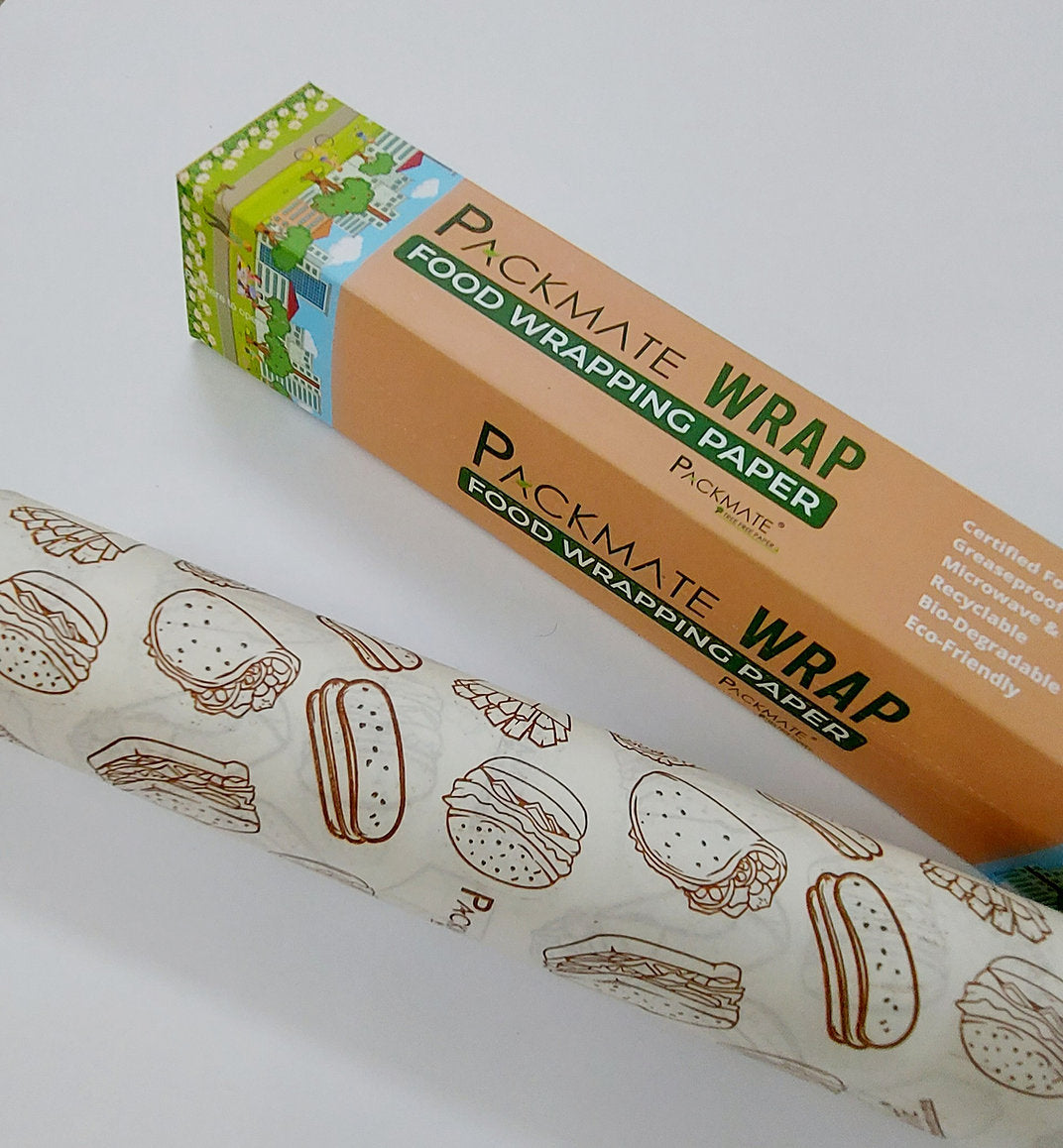
Food-grade wrapping paper is a practical choice for everyday tiffin packing. It is easy to handle and helps keep rotis neatly wrapped. For oily or ghee-coated rotis, choose paper with suitable grease resistance rather than assuming all wrapping papers offer the same protection.
Aluminium foil is better suited when you need a close-fitting barrier against external exposure. However, tightly wrapping steaming-hot rotis can trap condensation and make them damp. If you are looking for an aluminum foil alternative for food packaging, suitable food-grade paper is worth considering, provided its specifications match your needs. In either case, allow excess steam to escape before wrapping to help maintain the roti's texture.
Also Read: Food Wrapping Paper Roll Safety Guide: Materials, Certifications & Chemical Risks Explained
Step-by-Step Guide to Packing Rotis for Work and School
Proper packing of roti ensures softness and eliminates moisture from roti by lunch. Here are some simple steps:
- Remove and cook rotis evenly: Remove rotis from the tawa as soon as they are well cooked. Don't overcook, or they will turn dry and stiff.
- Stack them warm: Make sure that all the rotis are stacked neatly and covered with a clean cotton cloth to keep them warm.
- Let steam out: Let out a lot of steam before wrapping. Avoid leaving rotis for too long, as they tend to lose water.
- Wrap suitably: Use clean and food-grade wrapping paper with suitable grease resistance, particularly for rotis brushed with ghee.
- Wrap in an appropriate container: Put the wrapped rotis in a clean, dry tiffin box. Don't over-bundle or overlap them.
With a little care throughout the process, you will notice the difference to the texture of your roti at the time of consumption.
Conclusion
Soft rots at lunchtime are more than just about cooking them adequately. Correct stacking, a controlled cooling process, appropriate wrapping and a clean tiffin container will help to retain their texture. The right food-wrapping paper also facilitates regular packing and makes it more hygienic.
Packmate's food-wrapping paper offers a practical option for everyday food packaging, provided its specifications confirm suitability for direct food contact and roti wrapping. When the right wrapping material is used in conjunction with appropriate cooling and packing, homemade rotis will be more convenient and enjoyable to take into the lunch lineup.