




Butter paper is a versatile food-grade paper widely used for baking, wrapping, and food packaging. Discover its key benefits, grease-resistant properties, common applications, and tips for choosing the right butter paper for homes, bakeries, restaurants, and food businesses.
Paper used to wrap butter is, in fact, the most common form of food wrapping paper used in kitchens, bakeries, and any other food packaging businesses. From baking trays to wrapping up sandwiches, it plays a crucial role in food quality, hygiene, and presentation. Its popularity comes from its non-stick surface, grease resistance, and food-safe properties, which make it ideal for everyday food handling.
Over the period, butter paper has moved beyond home kitchens and turned out to be a favored one in commercial food packaging. Restaurants, bakeries, cloud kitchens, and food delivery brands use loads of greaseproof paper like butter paper to avoid oil leakage and keep food fresh. With growing demand for clean, practical, and affordable packaging, butter paper remains one of the tried-and-true solutions.
What makes Butter Paper unique

Butter paper is unique from other papers since it undergoes a special processing method, which makes it ideal for direct contact with food products. The paper should be resistant to grease and water but still beflexible and strong.
Main Characteristics That Set Butter Paper Apart
Non-stick Surface
Butter paper is known for its non-stick texture that helps prevent food from adhering to it. This makes it ideally suited for baking purposes or as a lining for baked food containers. It can also be used for covering food products that have oil.
Grease Resistance Properties
As greaseproof paper, the main use of butter paper is to stop oil and/or butter from penetrating. This ensures that hands, packaging, and surfaces are kept clean.
Food Safe Material
Butter paper is designed specifically to come into contact with foods so it can be used safely to wrap, store, or even prepare foods.
Lightweight & Robust Though it is thin, butter paper has sufficient strength to hold food tightly without easily ripping.
Also Read - Is Your Roti Wrap Paper Safe? Hidden Chemicals You Should Know About
Best Uses of Butter Paper
Butter paper has a multitude of uses, from households to food-related services. Its grease and water-resisting properties make butter paper a very important food wrapping paper.
1. Baking and Lining Trays
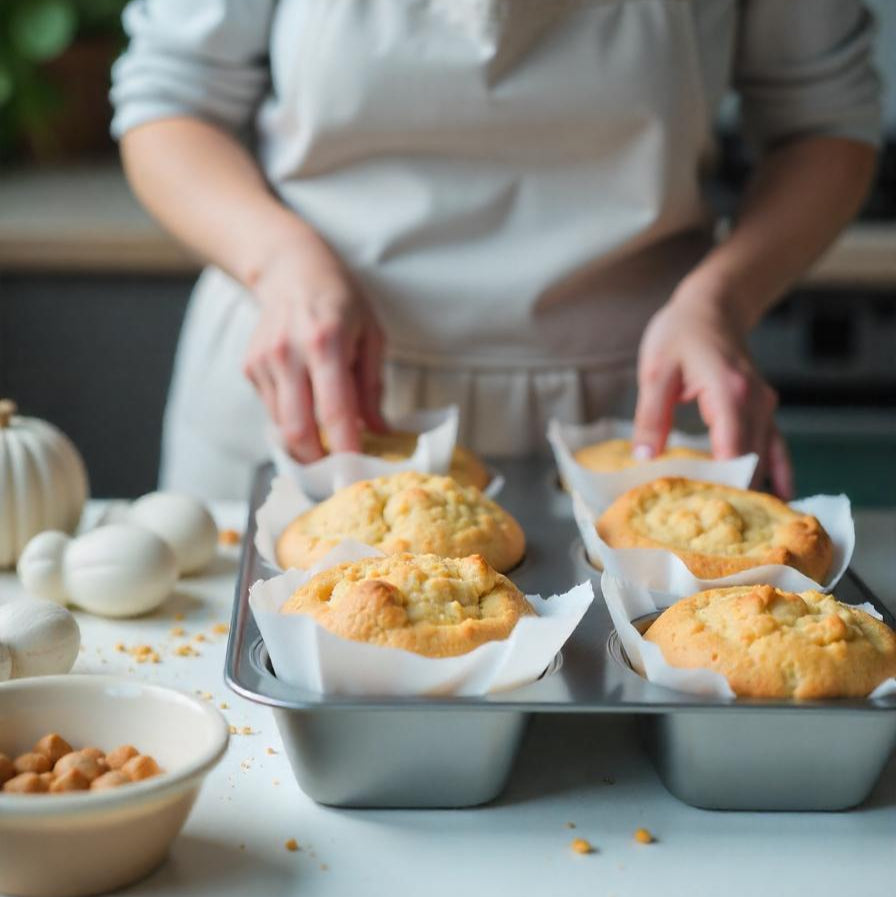
Butter paper is typically used to line baking trays, cake ware, and cookie sheets. Butter paper helps to prevent the baked item from sticking to the baking container, thus making it easy to remove without breaking or crumbling.
2. Packaging Sandwiches & Snacks
Being food wrapping paper, butter paper is the best to wrap sandwiches, burgers, and rolls. Furthermore, it maintains the freshness of the food and does not allow oil to seep out.
3. Cake & Pastry Preparation
Butter paper is also widely employed in cake preparation as a liner in molds, as well as in wrapping pastry products.
4. Cheese Aging And Storage
Butter paper is a type of paper that provides space for cheese to breathe and also prevents moisture from accumulating. Such paper is also used for aged cheese.
5. Food Packaging & Takeaway Use
Restaurants and bakeries also use butter paper, which serves as greaseproof paper for takeaway food.
Butter Paper vs Other Papers
Understanding the difference between butter paper and similar materials helps in choosing the right paper for food use.
|
Feature |
Butter Paper |
Wax Paper |
Parchment Paper |
|---|---|---|---|
|
Grease Resistance |
High |
Medium |
High |
|
Stickiness |
Low |
Slightly Sticky |
Non-Stick |
|
Heat Tolerance |
Medium |
Low |
High |
|
Best Use |
Wrap & light baking |
Wrapping only |
Baking & roasting |
How to Choose the Right Butter Paper (Step-by-Step)
Step 1: Check if It’s Food-Grade
It is always important to consider using butter paper labeled as food-grade and suitable for direct contact with foods like snacks, bakery products, and meals. The greatest concern with using butter paper lies in its cleanliness and customer trust.
Step 2: Choose the Correct GSM (Thickness)
With higher GSM values, papers are thicker and grease-resistant. To pack light eatables, you can choose paper with medium GSM, while for oily food like rolls, fries, or burgers, you have to choose thick butter paper to prevent leakage.
Step 3: Match It With Your Use (Wrap vs Bake)
If it's mainly for wrapping, then focus on its flexibility and being greaseproof. For baking or lining trays, make sure it can withstand heat and will not tear when in use.
Step 4: Check Grease Resistance & Non-Stick Property
Good butter paper is the one that resists oil and does not stick to the food during unwrapping or serving. This keeps food presentation clean and avoids messy packaging. It improves the customer experience for takeaways, too.
Step 5: Select Size and Format of Sheet
Determine whether you need the pre-cut sheets for quick service or rolls to cut your own sizes: the use of pre-cut sheets saves a lot of time for restaurants with heavy loads, while rolls are handy for foods that come in different sizes. Choose sizes that minimize wastage.
Why Butter Paper is Preferred in Food Packaging

The use of butter papers in the food industry has greatly increased due to their practicality, hygiene standards, and economy.
Reasons Businesses Like Butter Paper
- Preserves the freshness and appearance of food
- Prevents grease stains on outer packaging
- Very easy to handle and fold
- Cost-effective compared with other food papers
- Can handle hot as well as cold food
- Improves food presentation professionalism
Benefits of Using Butter Paper
These advantages make butter paper a trustworthy greaseproof paper for use in culinary activities.
Grease Resistance & Clean Packaging
The butter paper resists oil and water effectively, making food packaging clean and attractive. It also helps in preventing the oily snacks from dripping and becoming soggy when wrapped in the waterproof sheets.
Non-Stick Surface for Easy Handling
The non-stick quality of butter paper prevents any clinging of food to it during packaging and serving. This makes it very appropriate for baking and as a liner for trays and containers to pack delicate food products. This eliminates wastage of food as well.
Food-Safe & Hygienic Material
Butter paper is produced in a way that comes into direct contact with foods and adheres to food safety regulations. Butter paper also serves as a protective layer between foods and environmental contaminants.
Adaptable for Multiple Food Purposes
Butter paper has many uses, ranging from baking cakes to wrapping sandwiches and snacks. It can be used in domestic kitchens, cafes, restaurants, and cloud kitchens. A single product can be used for different culinary purposes.
Improves Food Display
By absorbing any excess grease as well as preserving the shape, butter paper ensures that food always has a fresh appearance. Clean presentation is one factor that influences consumer reaction, including future business.
Easy to Transport & Store
Cost-Effective & Butter paper is inexpensive, has less weight, and is easily stored in bulk. Another important point is the fact that this paper packaging solution can help businesses control packaging expenses without affecting the quality. Storage in bulk also makes this cost-effective for food companies.
Pack-Mate Butter Paper Range
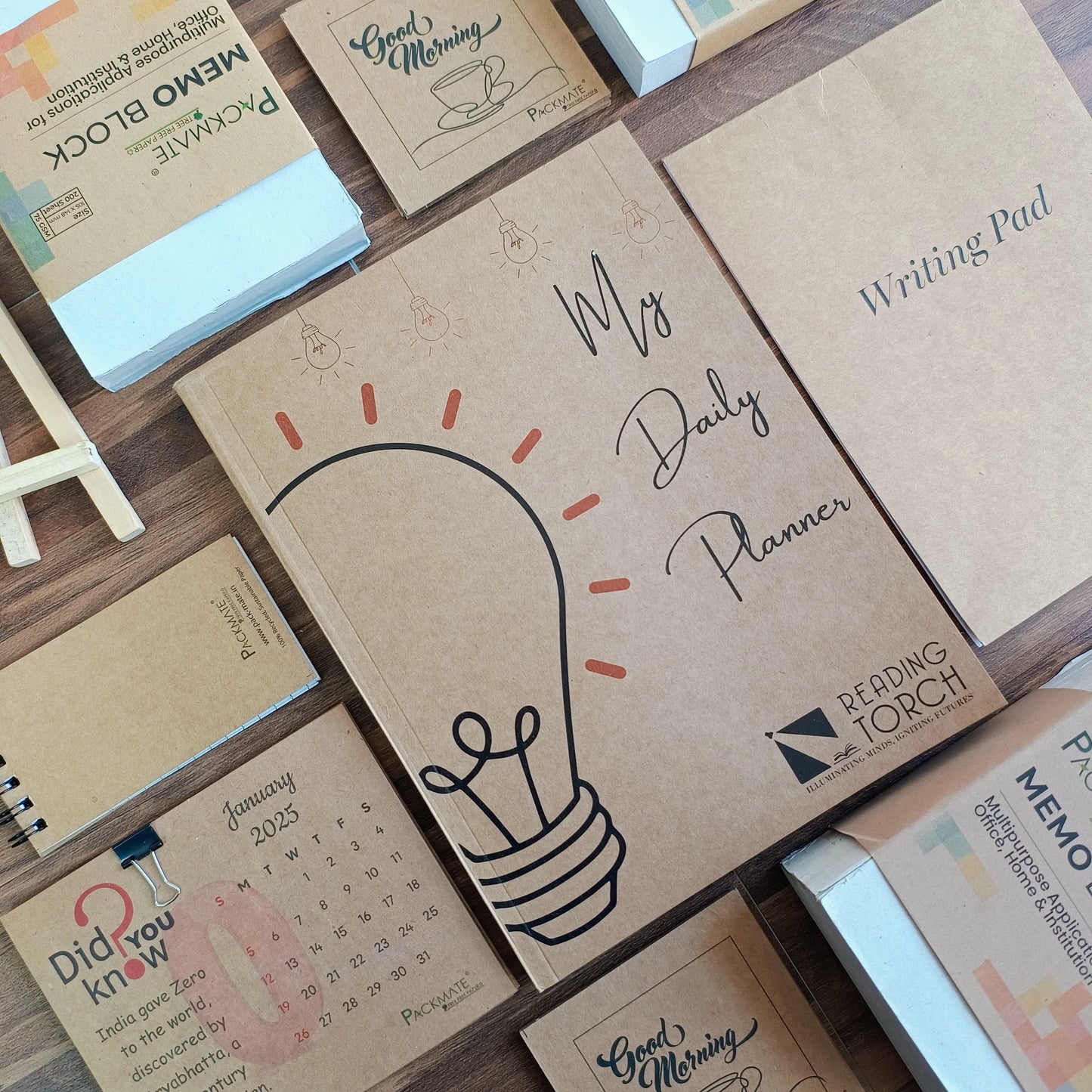
Pack-Mate offers a gamut of reliable butter paper designed for household and commercial food usages. Each product is manufactured with consistent quality, bearing food safety in mind.
Why choose Pack-Mate Butter Paper
- Available in various sizes and GSM options
- Designed for grease resistance and non-stick performance.
- Ideal solution for bakeries, restaurants, and cloud kitchens.
- Suitable for bulk orders and regular supply
- Ensures consistent quality for daily food packaging needs.
Pack-Mate butter paper works as wrapping paper for food, and as greaseproof paper, supporting clean and professional food handling.
CONCLUSION
Butter paper is one such solution that is necessary for food handling in the current scenario. Its usage for baking purposes can enable consumers to maintain freshness as well as increase food presentation. Its grease resistance characteristics also classify it as one of the food-safe papers. The grease resistance property makes it one of the popular papers used for food.
When it comes to companies in the process of searching for the perfect quality butter paper, Pack-Mate is the trusted provider of quality butter paper. Butter paper selection not only helps improve the handling of food products, but it also makes the packaging process professional.
Take a look at Pack-Mate’s butter paper offerings and improve how you store food.
Frequently Asked Questions (FAQ)
Q1: Is butter paper compostable?
Butter paper, however, is compostable; it will depend on the manufacturing process. Compostability information should be sourced from the product specification.
Q2: Can you bake anything with butter paper?
Yes, butter paper can be used for light to moderate baking; use parchment paper for high-temperature baking.
Q3: What is the difference between butter paper and baking paper?
The main uses for butter paper are wrapping and light baking, while baking paper is used in high-heat ovens.
Q4: Is butter paper the same as greaseproof paper?
Butter paper is a form of greaseproof paper that, with its resistant nature to oil and moisture during food handling, was designed.